
In today’s fast-paced world, more people are turning to superfoods to fill nutritional gaps and support overall wellness. Among the most talked-about options, moringa vs spirulina often becomes the big question. Both are natural, plant-based powerhouses praised for their impressive nutrient profiles—but they are not exactly the same.
Moringa, often called the “miracle tree,” has been part of traditional diets in India and Africa for centuries, valued for its rich vitamin and mineral content. Spirulina, on the other hand, is a microscopic blue-green algae celebrated for its exceptionally high protein and antioxidant levels. Modern research continues to explore how each of these superfoods may support immunity, energy, metabolic health, and more.
So which one should you choose? The answer depends on your health goals. In this detailed guide by Arusha Foods, we break down the science, nutrition, benefits, and practical uses of moringa and spirulina—so you can confidently pick the superfood that fits your lifestyle.
What Is Moringa?
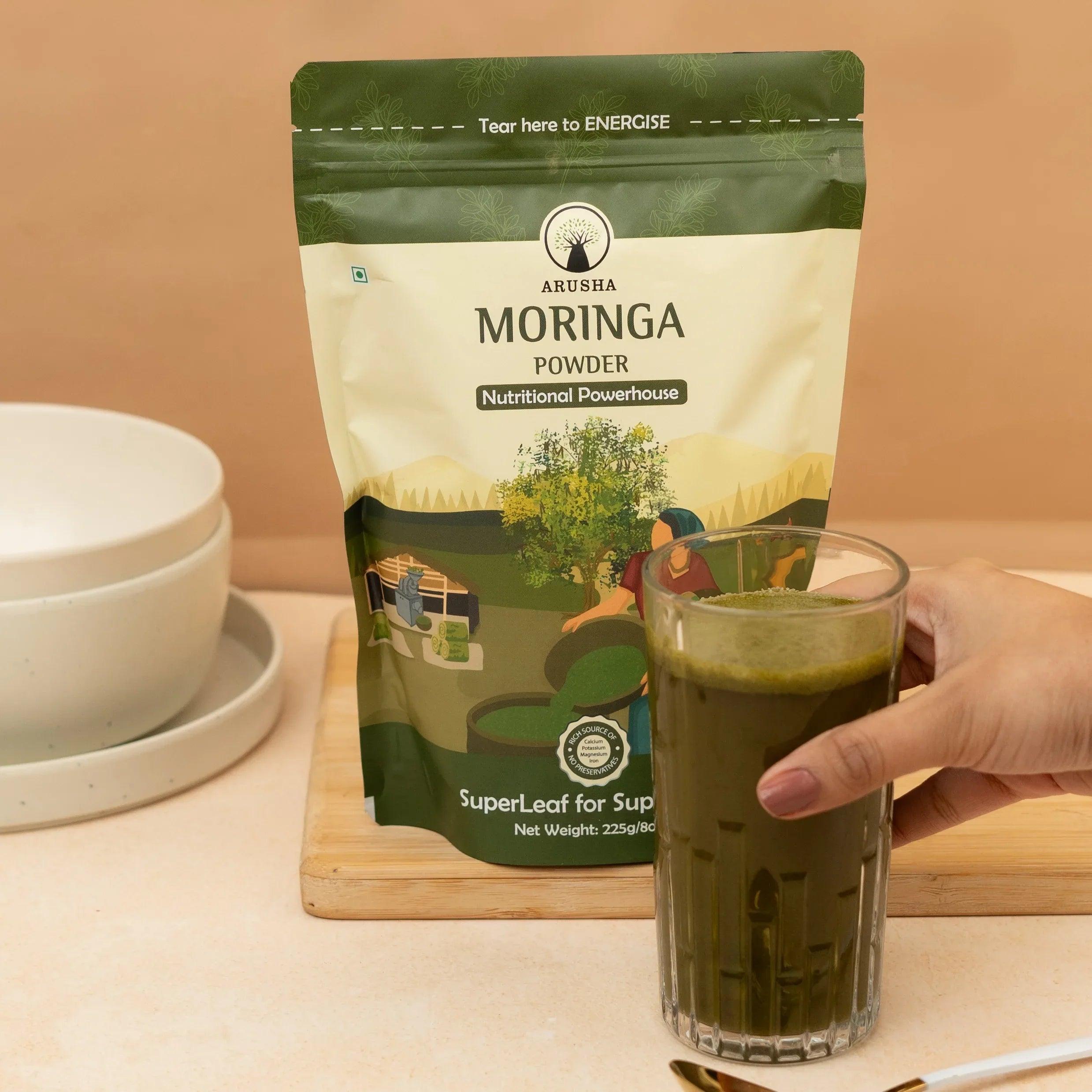
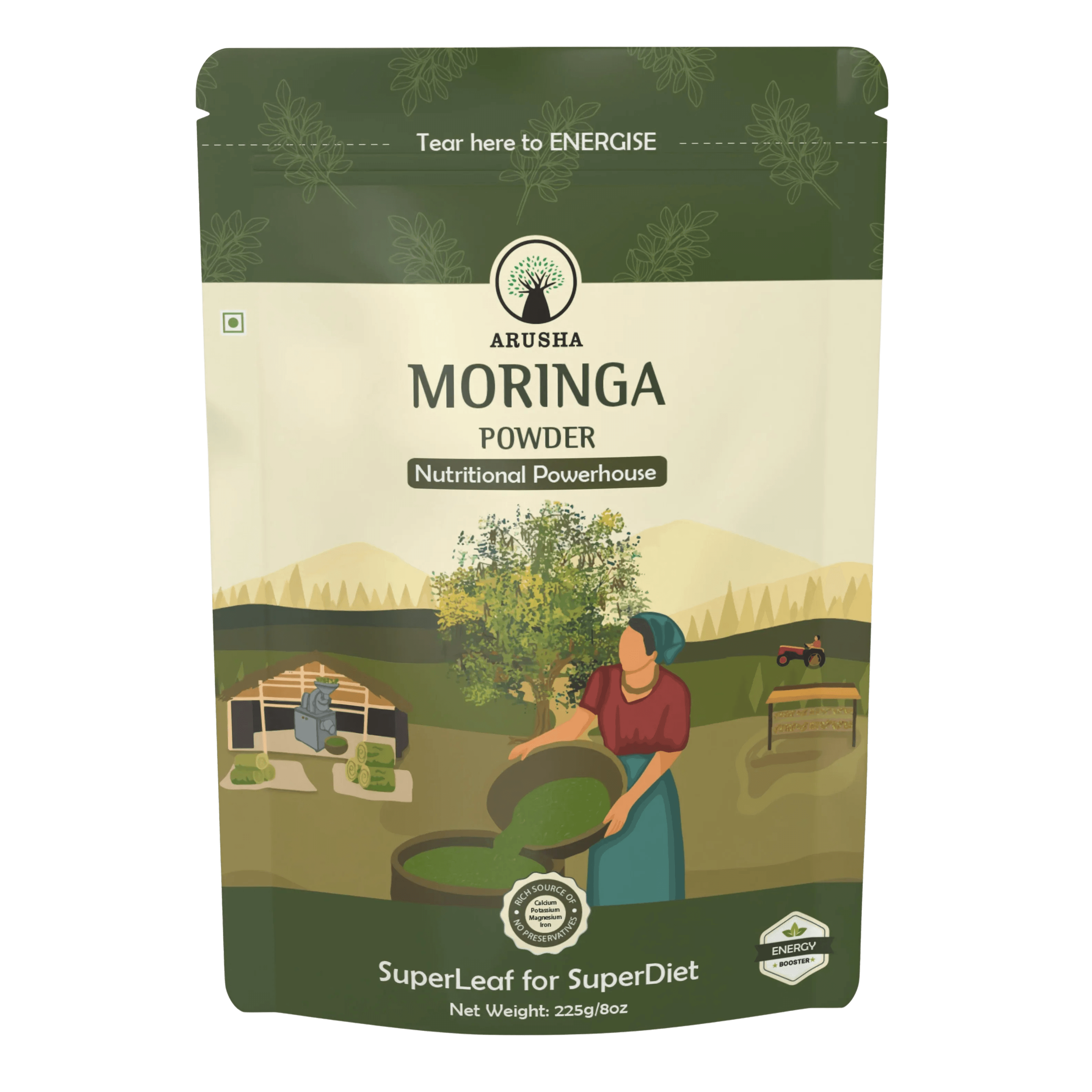
Moringa (Moringa oleifera) is a fast-growing tree native to the Indian subcontinent. Its leaves, pods, seeds, and flowers have long been used in traditional diets and herbal preparations.
The most commonly consumed form today is moringa leaf powder, which is naturally rich in:
- Vitamin A, C, and E
- Calcium and potassium
- Plant polyphenols
- Isothiocyanates
Research highlights that moringa contains over 90 protective compounds that contribute to antioxidant and anti-inflammatory effects.
Why people choose moringa
- Daily nutrition support
- Immunity and wellness
- Digestive balance
- Natural plant vitamins
What Is Spirulina?
Spirulina is a microscopic blue-green algae that grows in alkaline water. It has been consumed for centuries and is now widely used as a dietary supplement.
What makes spirulina unique is its extremely high protein concentration (about 60–70% by dry weight) along with powerful antioxidant pigments like phycocyanin.
It is commonly available as:
- Powder
- Tablets
- Capsules
Why people choose spirulina
- Plant-based protein boost
- Athletic nutrition
- Detox support
- Energy and endurance
Moringa vs Spirulina: Nutritional Comparison
Below is a simplified comparison based on research summaries.
| Nutrient (per ~10g) | Moringa Powder | Spirulina Powder |
|---|---|---|
| Calories | 34 kcal | 40 kcal |
| Protein | 3.4 g | 6.8 g |
| Carbohydrates | 4.7 g | 2.4 g |
| Vitamin A | 630 µg | 3400 µg |
| Vitamin C | 12 mg | 0.7 mg |
| Calcium | 160 mg | 10 mg |
| Iron | 2.0 mg | 1.7 mg |
| Antioxidants | High (polyphenols) | Very high (phycocyanin) |
Quick takeaway:
- Spirulina → higher protein and antioxidant density
- Moringa → broader vitamin and mineral support
Health Benefits of Moringa
1. Supports Blood Sugar Balance
Studies indicate moringa contains chlorogenic acid and isothiocyanates that may help regulate blood glucose levels and improve insulin sensitivity.
Who may benefit:
- People managing sugar levels
- Those with metabolic concerns
2. Anti-Inflammatory and Antioxidant Support
Moringa is rich in quercetin, carotenoids, and phenolic compounds that help reduce oxidative stress and inflammation in the body.
Potential benefits:
- Joint comfort
- Immune support
- Cellular protection
3. Supports Digestive and Liver Health
Traditional use and emerging research suggest moringa may support liver enzyme balance and digestive comfort.
Helpful for:
- Bloating
- Mild digestive sluggishness
- General detox support
4. Nutrient-Dense Daily Supplement
Because moringa is rich in multiple micronutrients, it is often used to address mild nutritional deficiencies.
Health Benefits of Spirulina
1. Natural Detox Support
Spirulina contains sulfated polysaccharides and phycocyanin that may help bind certain heavy metals and support their elimination.
2. Supports Heart Health
Research shows spirulina supplementation may help:
- Lower LDL cholesterol
- Improve HDL levels
- Support healthy blood pressure
3. High-Quality Complete Protein
Spirulina contains all essential amino acids, making it valuable for:
- Vegetarians
- Vegans
- Athletes
- Gym-goers
4. May Support Weight Management
Its protein content and effect on satiety hormones may help reduce hunger and support weight goals.
5. Supports Brain and Eye Health
Spirulina’s antioxidants like zeaxanthin and phycocyanin may help protect neural tissues and retinal health.
Moringa vs Spirulina: Key Differences
| Factor | Moringa | Spirulina |
|---|---|---|
| Source | Tree leaves | Blue-green algae |
| Protein level | Moderate | Very high |
| Best for | Daily nutrition | Performance nutrition |
| Vitamin C | High | Very low |
| Antioxidant type | Polyphenols | Phycocyanin |
| Taste | Earthy, mild | Seaweed-like |
| Ideal users | Families, general wellness | Athletes, vegans |
Which Is Better: Moringa or Spirulina?
There is no universal winner in moringa vs spirulina. The better choice depends on your goal.
✅ Choose moringa if you want:
- Daily multinutrient support
- Immune and digestive wellness
- Plant-based vitamin boost
- Family-friendly superfood
✅ Choose spirulina if you want:
- High protein supplementation
- Workout and recovery support
- Strong antioxidant boost
- Vegan protein source
Can You Take Moringa and Spirulina Together?
Yes. Many nutrition experts suggest combining them in small amounts because they complement each other nutritionally.
- Spirulina → protein + detox support
- Moringa → vitamins + minerals + digestion
Tip from Arusha Foods: Start with small doses and monitor tolerance.
How to Use Moringa and Spirulina Daily
Moringa powder ideas
- Add to warm water
- Mix into dals or soups
- Blend into green smoothies
- Stir into herbal tea
Typical beginner dose: 1–3 grams daily
Spirulina powder ideas
- Add to smoothies
- Mix with lemon water
- Take in tablet form
- Blend into protein shakes
Typical beginner dose: 1–3 grams daily
Possible Side Effects and Precautions
Both superfoods are generally safe when consumed in recommended amounts.
Moringa — possible cautions
- May interact with diabetes medication
- May affect blood pressure drugs
- Mild digestive upset in excess
Spirulina — possible cautions
- Mild nausea in sensitive individuals
- Risk of contamination if sourced poorly
- Digestive discomfort in high doses
Important: Always choose high-quality, tested products such as those from Arusha Foods.
Final Verdict: Moringa vs Spirulina
When comparing moringa vs spirulina, the best choice depends on your health priorities.
Moringa wins for:
- Daily nutrition
- Vitamin and mineral density
- Family wellness
Spirulina wins for:
- Protein power
- Athletic nutrition
- Detox and antioxidant strength
For many people, using both in moderation provides the most balanced superfood strategy.
References
Potential health benefits of spirulina microalgae