
Constipation is one of the most common digestive complaints, affecting people of every age and lifestyle. The good news is that for most people, simple changes to what's on the plate can make a real difference. Fiber is the single most important nutrient for keeping digestion moving, softening stool, and supporting a healthy gut.
In this guide, we'll walk through the best fiber-rich foods for constipation, look at safe options for pregnancy, and show you how a natural superfood like baobab powder can help you meet your daily fiber goals with ease.
Why Fiber Is Essential for Digestion
Dietary fiber is the part of plant foods your body cannot fully digest. Instead of being broken down, it travels through the digestive tract, where it does two important jobs.
- Soluble fiber absorbs water and forms a gel-like substance that softens stool.
- Insoluble fiber adds bulk and speeds up the movement of waste through the intestines.
Together, these two types of fiber work to relieve and prevent constipation, support regular bowel movements, and feed the beneficial bacteria that keep your gut microbiome balanced.
Most adults need between 25 and 38 grams of fiber daily, yet many people fall well short of that target. Gradually increasing fiber intake, along with drinking plenty of water, is one of the most effective natural remedies for constipation.
Best Fiber-Rich Foods for Constipation
Here is a fiber-rich foods list for constipation that you can start adding to your meals today:
- Whole grains — oats, brown rice, quinoa, and whole wheat bread add bulk to stool and keep digestion moving.
- Legumes — lentils, chickpeas, kidney beans, and black beans are among the highest-fiber foods available, with the added benefit of plant protein.
- Fresh fruits — apples, pears, bananas, oranges, and berries provide both soluble fiber and natural hydration.
- Dried fruits — prunes, figs, and dates are classic, time-tested remedies for constipation thanks to their fiber and natural sorbitol content.
- Vegetables — broccoli, carrots, spinach, and sweet potatoes are rich in fiber and easy to include in almost any meal.
- Nuts and seeds — chia seeds, flaxseeds, and almonds add fiber along with healthy fats.
- Baobab powder — a nutrient-dense superfruit powder made from the fruit of the baobab tree, naturally high in dietary fiber and easy to stir into everyday foods and drinks.
Fiber-Rich Foods Comparison Table
| Food | Why It Helps |
|---|---|
| Baobab Powder | Made of approximately 50% dietary fiber. Extremely high in soluble and insoluble fiber; also rich in vitamin C and antioxidants. |
| Prunes | Contain sorbitol and fiber, making them well known for relieving constipation. |
| Lentils and Beans | High in insoluble fiber that adds bulk to stool. |
| Oats | Rich in soluble fiber that forms a gel and softens stool. |
| Chia Seeds | Absorb water to add moisture and bulk. |
| Leafy Greens | Provide fiber plus magnesium, which supports healthy bowel muscle function. |
Baobab Powder: A Natural Fiber Powerhouse
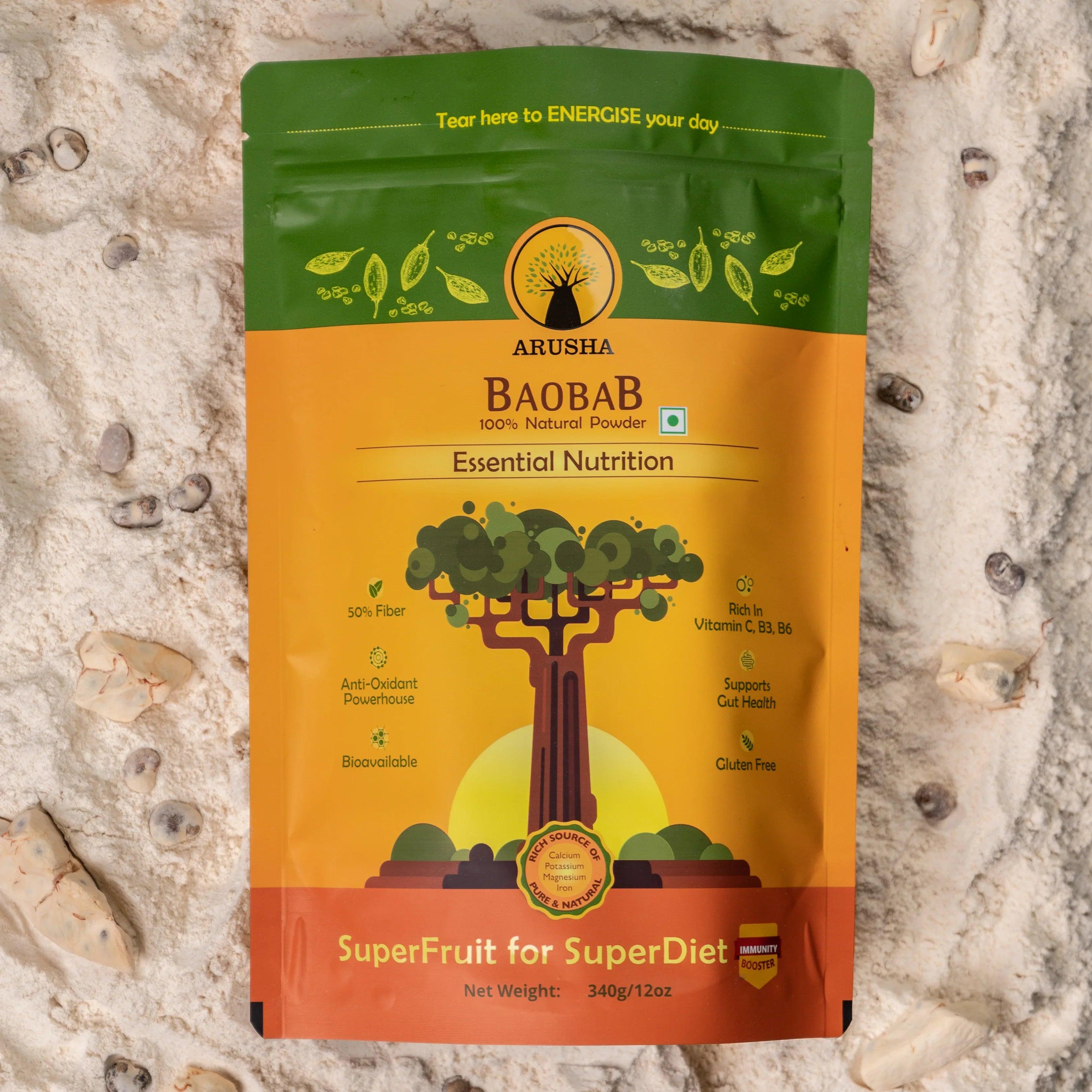
Among fiber-rich foods, baobab powder deserves special mention. Sourced from the fruit of the African baobab tree, this powder is naturally dried and ground without added sugar or preservatives.
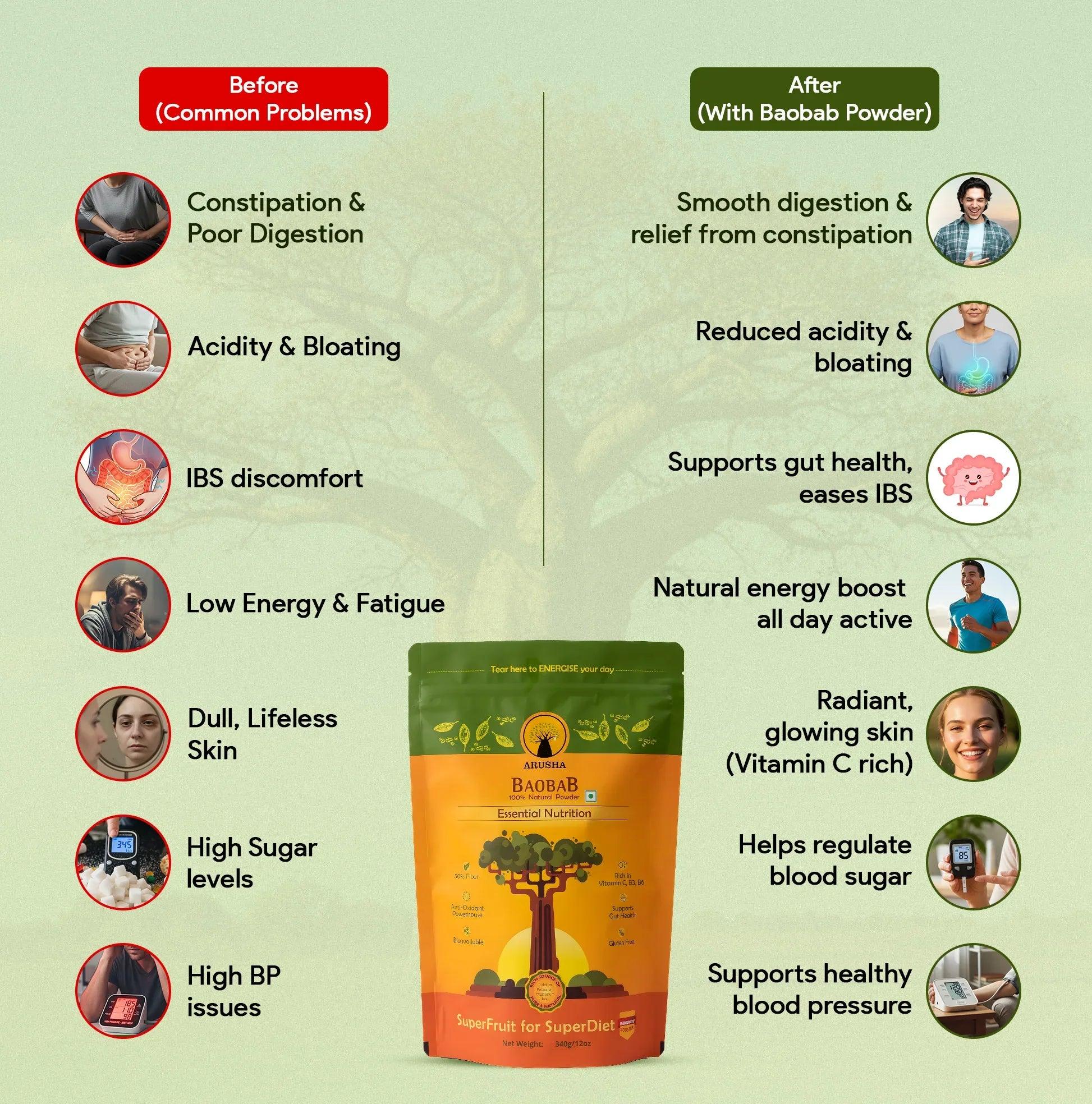
Just a couple of tablespoons can contribute a meaningful amount of fiber to your daily intake, along with vitamin C, antioxidants, and prebiotic compounds that support healthy gut bacteria.
Because it has a mild, slightly tangy flavor, baobab powder blends easily into smoothies, yogurt, oatmeal, or even a simple glass of water. For anyone looking for a convenient way to boost fiber intake without overhauling their entire diet, it's an easy and versatile addition.
Arusha Foods' baobab powder is a great place to start if you want a clean, natural source of fiber to support regular digestion. It fits easily into breakfast bowls, smoothies, and even baking, making it a simple daily habit rather than a chore.
Fiber-Rich Foods for Pregnancy Constipation
Constipation is especially common during pregnancy due to hormonal changes, prenatal iron supplements, and the growing uterus placing pressure on the intestines. Choosing the right fiber-rich foods for pregnancy constipation can bring relief without the need for medication, but it's always a good idea to check with your doctor before making significant dietary changes.
Some gentle, pregnancy-friendly fiber-rich foods include:
- Cooked oats or oatmeal with fruit
- Ripe bananas and pears
- Well-cooked lentils and split peas
- Steamed vegetables like carrots, sweet potatoes, and spinach
- Prunes or prune juice in small amounts
- A small amount of baobab powder stirred into water, smoothies, or yogurt as a natural way to add fiber and vitamin C
Alongside these foods, staying well hydrated and keeping up with light physical activity, such as walking, can further support regular digestion during pregnancy.
Tips to Add More Fiber to Your Diet
- Go slow — Increase fiber gradually over a week or two to avoid bloating or gas.
- Drink water — Fiber needs fluid to work effectively, so increase your water intake as you increase fiber.
- Mix food sources — Combine whole grains, fruits, vegetables, and a fiber-rich powder like baobab for variety.
- Stay consistent — Regular, moderate fiber intake works better than occasional large amounts.
- Move your body — Light daily activity helps keep digestion active alongside a fiber-rich diet.
Final Thoughts
Relieving and preventing constipation often comes down to simple, consistent dietary habits. Whole grains, legumes, fruits, vegetables, and nutrient-dense additions like baobab powder can all play a role in keeping digestion comfortable and regular—whether you're managing everyday constipation or navigating the extra challenges of pregnancy. Small, sustainable changes to your plate can make a lasting difference to your gut health.
Explore Arusha Foods' baobab powder and other natural, fiber-rich products at arushafoods.in to make fiber-rich eating a simple part of your daily routine.
FAQ
What are the best fiber-rich foods for constipation?
The best fiber-rich foods for constipation include whole grains like oats and brown rice, legumes such as lentils and chickpeas, fruits like prunes and pears, vegetables such as broccoli and spinach, and natural fiber powders like baobab powder. Combining a few different sources throughout the day gives you both soluble and insoluble fiber, which work together to soften stool and keep digestion moving.
How much fiber do I need per day to relieve constipation?
Most adults need around 25 to 38 grams of fiber a day. If you're currently eating much less than that, increase your intake gradually over one to two weeks and drink extra water as you do, since fiber needs fluid to work effectively and move through the digestive tract.
What are good fiber-rich foods for constipation during pregnancy?
Gentle, pregnancy-friendly options include cooked oats, ripe bananas and pears, well-cooked lentils, steamed vegetables, and a small amount of prunes. A little baobab powder stirred into water, smoothies, or yogurt can also help add fiber and vitamin C. As with any dietary change during pregnancy, it's best to check with your doctor first, especially if you're also taking iron supplements.
Is baobab powder a good source of fiber?
Yes. Baobab powder is naturally high in both soluble and insoluble fiber, along with vitamin C and antioxidants. Just a couple of tablespoons stirred into a smoothie, yogurt, or glass of water can meaningfully contribute to your daily fiber intake, making it an easy addition for people who struggle to eat enough fiber-rich whole foods every day.
Can fiber-rich foods work quickly for constipation relief?
Fiber generally works best as a consistent daily habit rather than a one-time fix. Foods like prunes can bring relief within a day for some people, but for lasting results, it helps to combine a steady fiber-rich diet with adequate water intake and regular movement, such as walking, throughout the week.
Are there fiber-rich foods to avoid if I have severe constipation?
If constipation is severe or long-lasting, adding too much fiber too quickly, especially insoluble fiber from foods like bran, can sometimes cause bloating or discomfort. In these cases, it helps to increase fiber gradually, prioritize soluble-fiber foods like oats and baobab powder alongside plenty of water, and speak with a doctor if symptoms persist beyond a few days.