
Gut health is essential for a good, healthy lifestyle. Why? Because it influences your digestion, immunity, mood, and long-term health. Notably, our gut is the home to trillions of microbes that are collectively called the microbiome. This plays a crucial role in how our body functions and keeps us active.
On the contrary, the imbalance of poor gut health creates health issues such as bloating, fatigue, weakened immunity, and even mental health problems.
Gut health should not be taken lightly at all. But what to do? Luckily, keeping your gut health healthy is simple, and you can achieve it with some easy habits, diet, and lifestyle changes. In this blog, we will discuss everything you need to know about gut health and habits that improve it.
What Is Gut Health?
Gut health is how your health performs. Good gut health is the balance of good and harmful bacteria within your gut microbiome.
What does a healthy gut do?
A healthy gut system breaks down food and absorbs essential nutrients, and prevents the overgrowth of harmful pathogens. What does it mean to you?
Gut health directly affects the immune system, mental clarity, skin health, and more. As per scientific research, around 70% of our immune system resides in our gut.
The Gut Microbiome: Why Does It Matter?
The gut microbiome includes several microorganisms such as bacteria, fungi, viruses, and protozoa. This influences digestion, vitamin synthesis, inflammation regulation, and even hormone production.
A diverse and balanced microbiome leads to better metabolic health, improved inflammatory conditions, and enhanced immunity.
An unbalanced microbiome leads to digestive disturbances, autoimmune conditions, and mental health issues such as Anxiety and Depression.
Why Gut Health Impacts Overall Well-Being?
Boosting Immunity
A healthy gut supports your immune system and maintains antibody production. According to a study, people with good health are 40% more resistant to common infections.
Improving Digestion & Nutrient Absorption
Good gut health means you can digest food easily. But for that, you also need high fibre foods that act as prebiotics, a fuel for good bacteria. This helps digestion and promotes regular bowel movement. According to a study, fibre intake can reduce gastrointestinal issues up to 30%.
Supporting Mental Health (Gut-Brain Connection)
Good gut health is not only about your digestion or physical fitness. Your gut has a direct connection to your brain. For example, over 80% of serotonin is produced in the gut. Disturbed gut health can lead to increased anxiety, depression and cognitive issues.
Note - serotonin is a mood-regulating hormone.
Signs of an Unhealthy Gut:
- Bloating and excessive gas
- Constipation or diarrhea
- Chronic fatigue
- Food intolerances
- Skin issues like acne or eczema
- Mood swings and poor concentration
First, keep checking if you have the above mentioned health issues. If yes, consider these symptoms and consult with a doctor for targeted steps to restore your gut health.
How to Improve Gut Health Naturally?
1. Eat More Fibre-Rich Foods
You need dietary fibres to nourish your good bacteria. How can you do so? Include the following items in your everyday diet:
- Oats
- Legumes
- Vegetables
- Fruits, and
- Whole grains
Fibres increase your microbiome diversity and produce short-chain fatty acids (SCFAs) such as butyrate. Butyrate strengthens your gut barrier function.
2. Include Probiotic-Rich Foods
Probiotics are the good bacteria that restore and maintain microbiome balance in our bodies. So add them to your everyday plate. Read below:
- Yogurt
- Buttermilk
- Idli & Dosa
- Pickles
- Paneer
- Gundruk
- Soya Chunks
Studies say that probiotics reduce bloating and improve digestion in over 20% of cases.
3. Add Prebiotics to Your Diet
Prebiotics are fibres that feed existing good bacteria. Including this in your diet means improved immunity and metabolic health. Here’s what to eat:
- Garlic, onions, raw bananas,
- Chicory root and leeks.
- Whole grains
- Root vegetables
- Green peas
- Legumes
4. Stay Hydrated Throughout the Day
Our body needs 2-4 litres of water every day to support bowel regularity and help maintain a healthy microbiome. Proper hydration enhances digestion and transfers nutrients properly in the body.
5. Reduce Sugar and Processed Foods:
If you can remove one thing from your diet, remove sugar. Sugar in any form feeds harmful bacteria and leads to dysbiosis. So what to do? Minimize processed food, refined sugars, and artificial sweeteners. This helps restore microbial balance and reduces inflammation.
6. Manage Stress Effectively
Understand that your mind & body are parts of one big connected system. Continuous chronic stress affects gut bacteria composition and impairs digestion and immune responses. So what to do? Use techniques such as:
- Meditation
- Deep breathing
- Yoga
All these activities support mental health and gut flora.
7. Maintain Regular Physical Activity
You need to exercise every day to boost the diversity of good bacteria. Adopt simple everyday activities such as brisk walking, skipping, swimming, etc. These activities increase SCFA production and reduce the risk of digestive disorders.
Natural Supplements to Support Gut Health:
While food and lifestyle form the foundation of a healthy gut, certain natural supplements can give your digestive system extra support. These supplements are rich in fibre, antioxidants, and essential nutrients that help good bacteria grow and keep your gut lining strong.
However, remember, they work best alongside a balanced diet, not as a replacement.
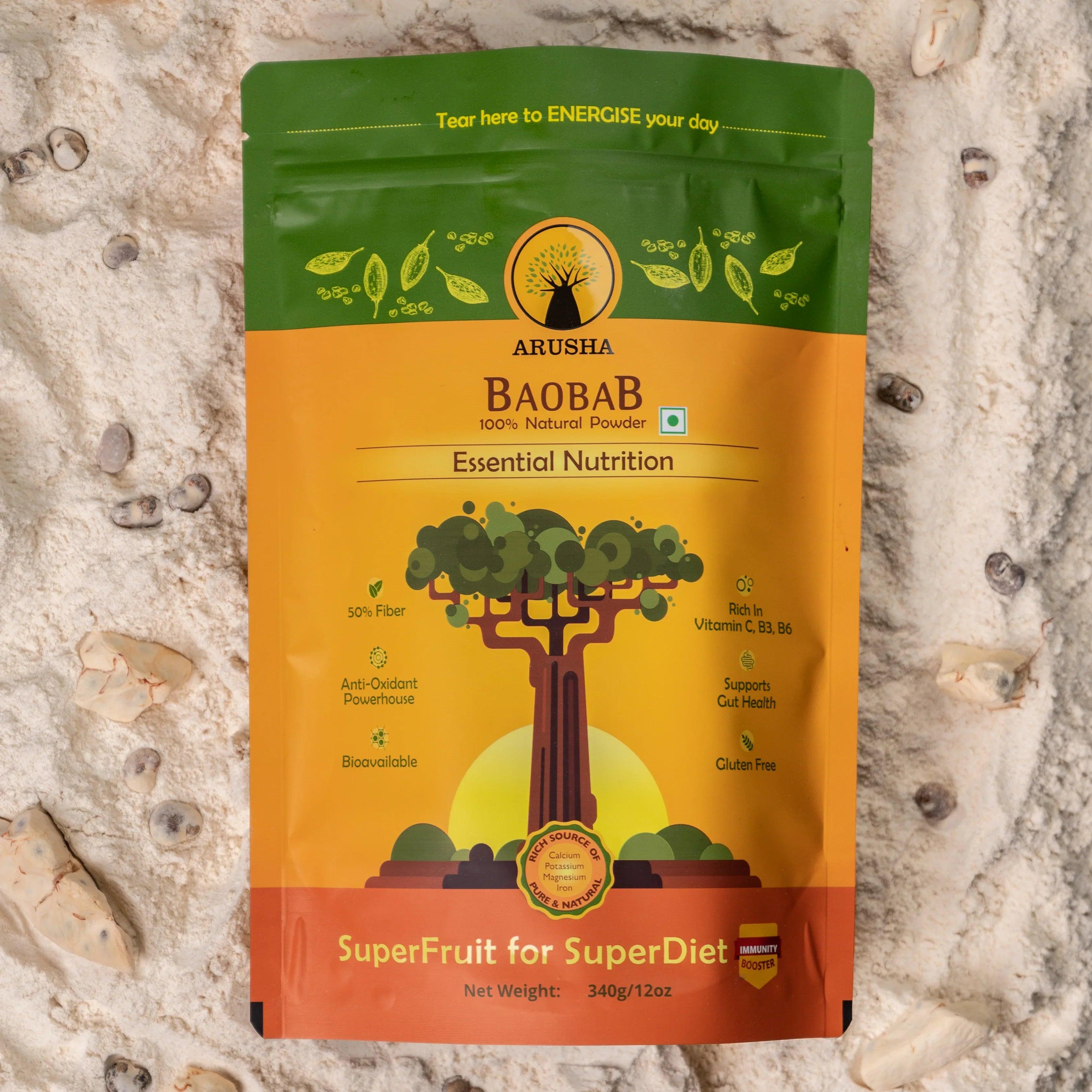
1. Baobab Powder
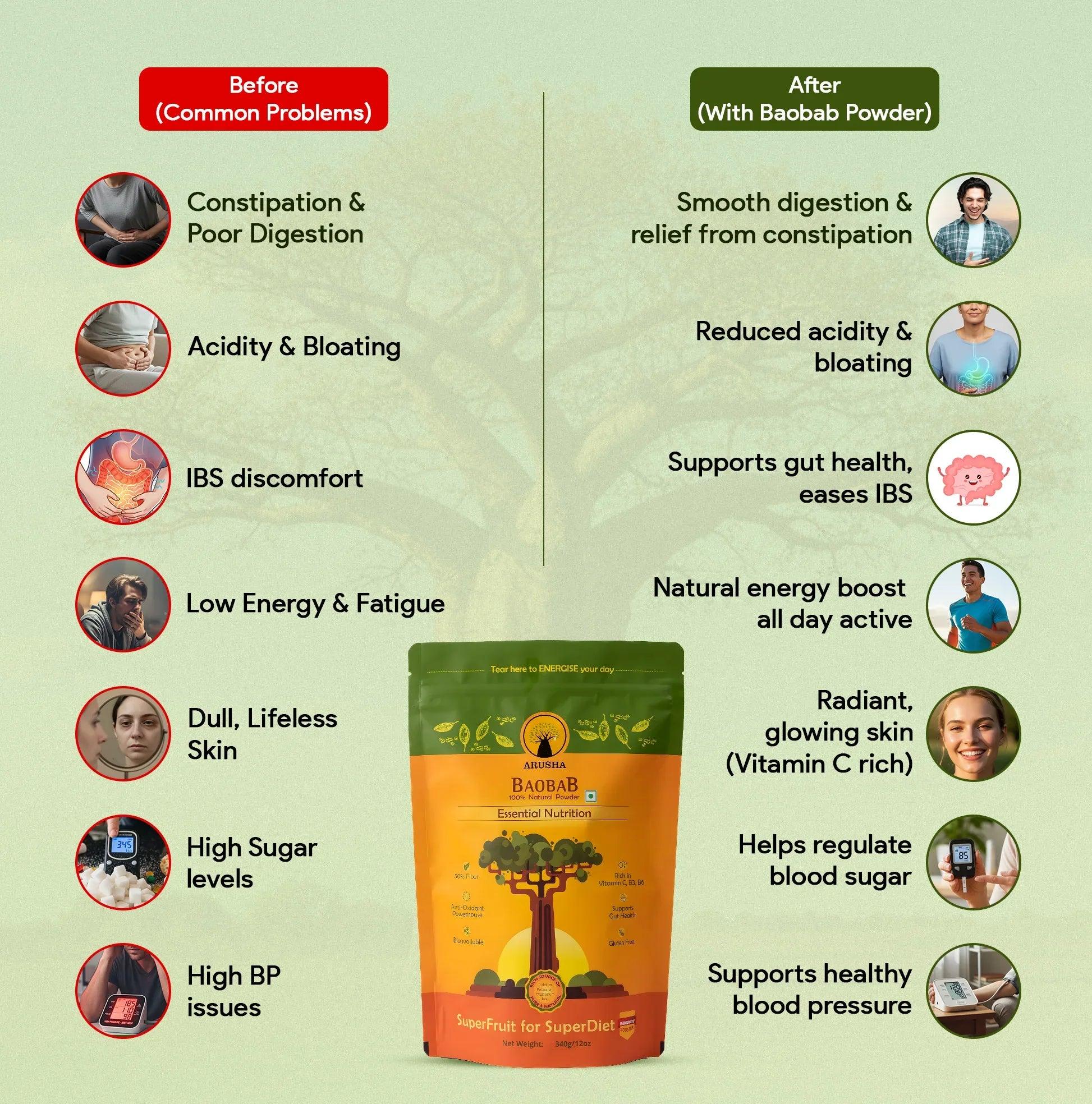
Baobab is one of the richest natural sources of soluble fibre. This fibre feeds beneficial gut bacteria and helps produce short-chain fatty acids (SCFAs), which keep your gut barrier strong.
- High in soluble fiber, which feeds good gut bacteria and promotes a healthy microbiome.
- Supports smoother digestion and reduces bloating or constipation.
- Acts as a natural prebiotic, helping improve nutrient absorption.
- Boosts immunity, thanks to powerful antioxidants that reduce inflammation in the digestive tract.
Want to try it? Buy pure organic Baobab Powder—click below to shop now!

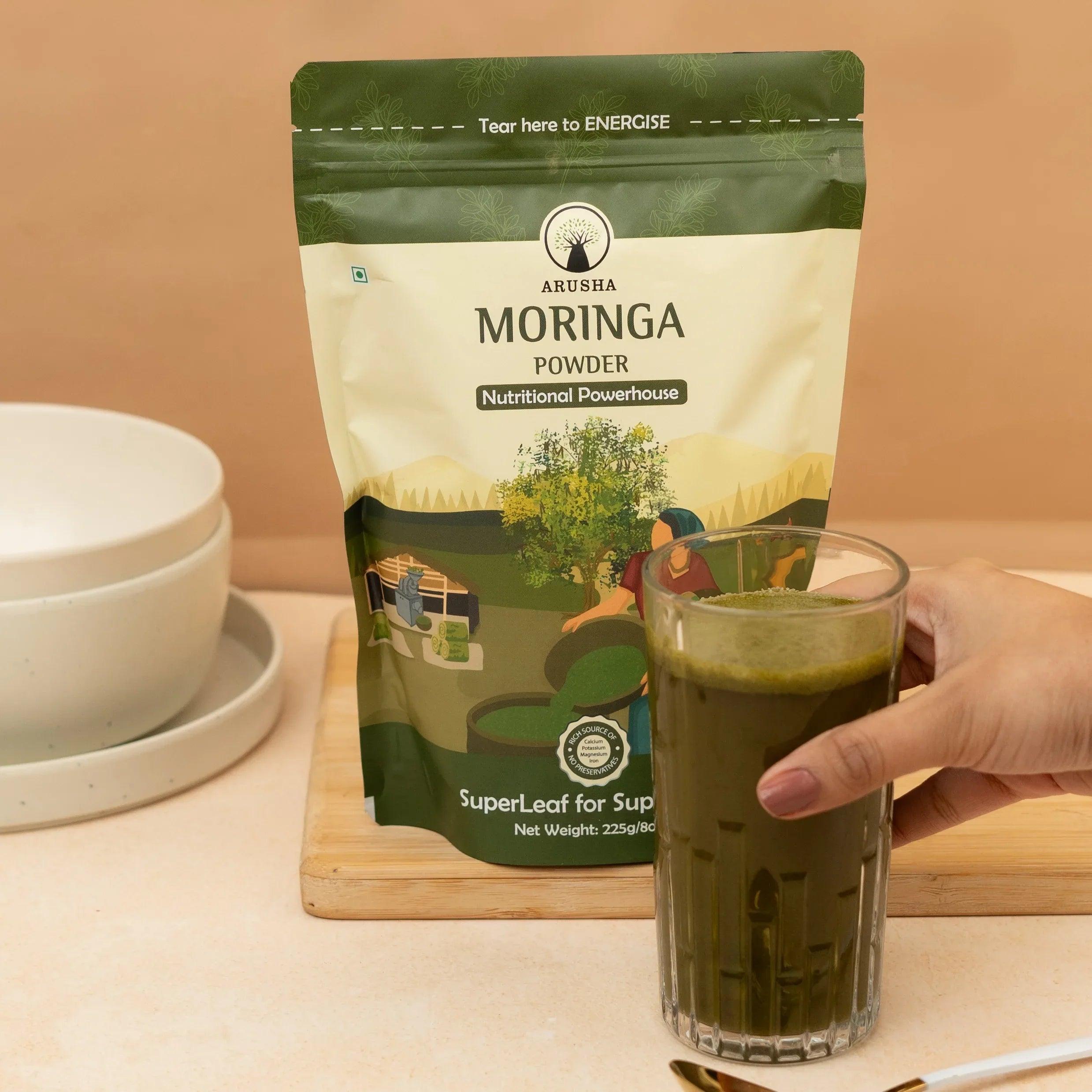
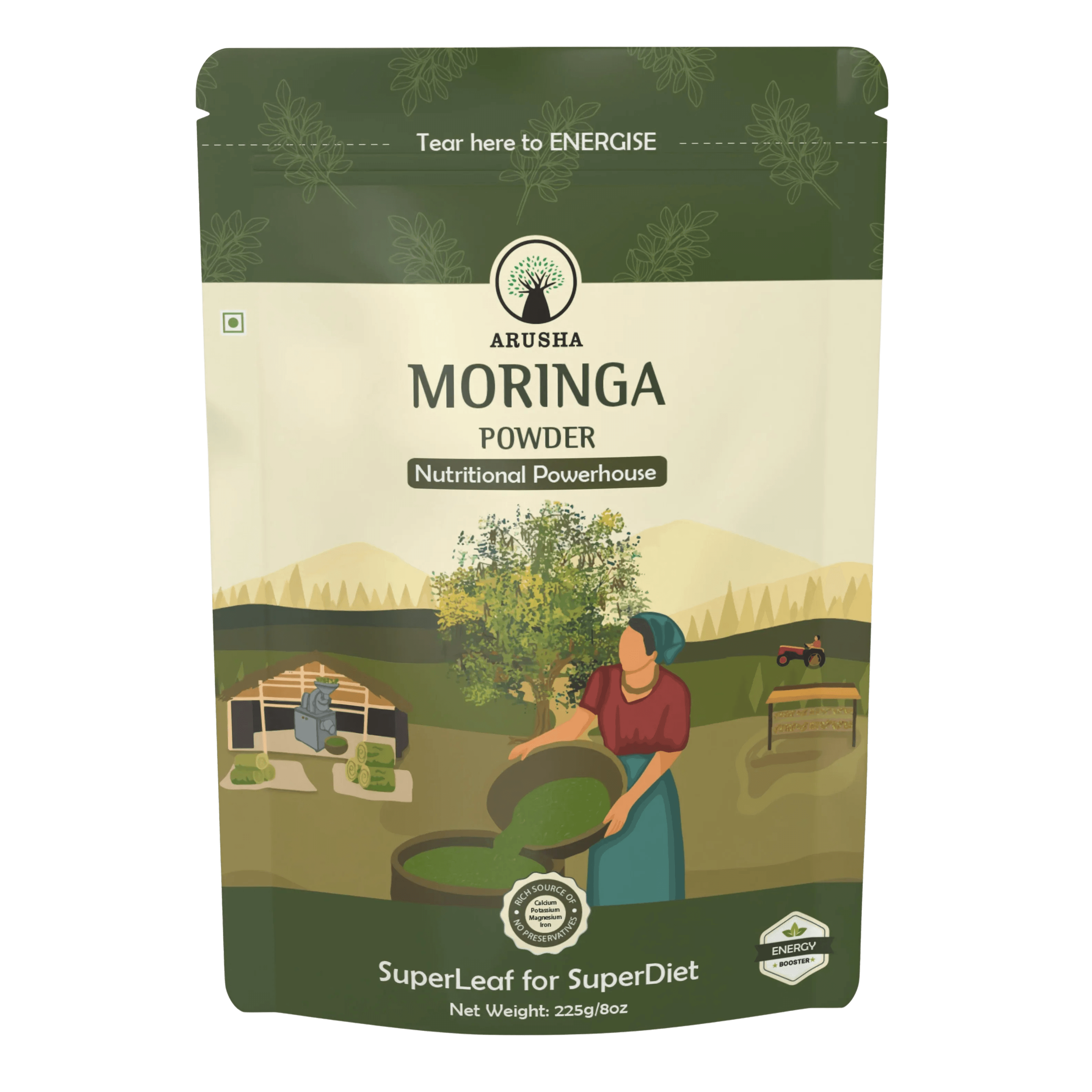
2. Moringa Powder
Moringa contains natural prebiotic compounds that strengthen the growth of good bacteria. It is also rich in vitamins, minerals, and antioxidants that support a healthy immune response.
- Rich in anti-inflammatory compounds, which can soothe an irritated digestive system.
- Contains plant enzymes that assist in breaking down food for better digestion.
- Balances gut bacteria, supporting healthier, more efficient digestion.
- Reduces acidity, helping people who experience acid reflux or indigestion.
Buy pure natural moringa powder online—click below to shop now!

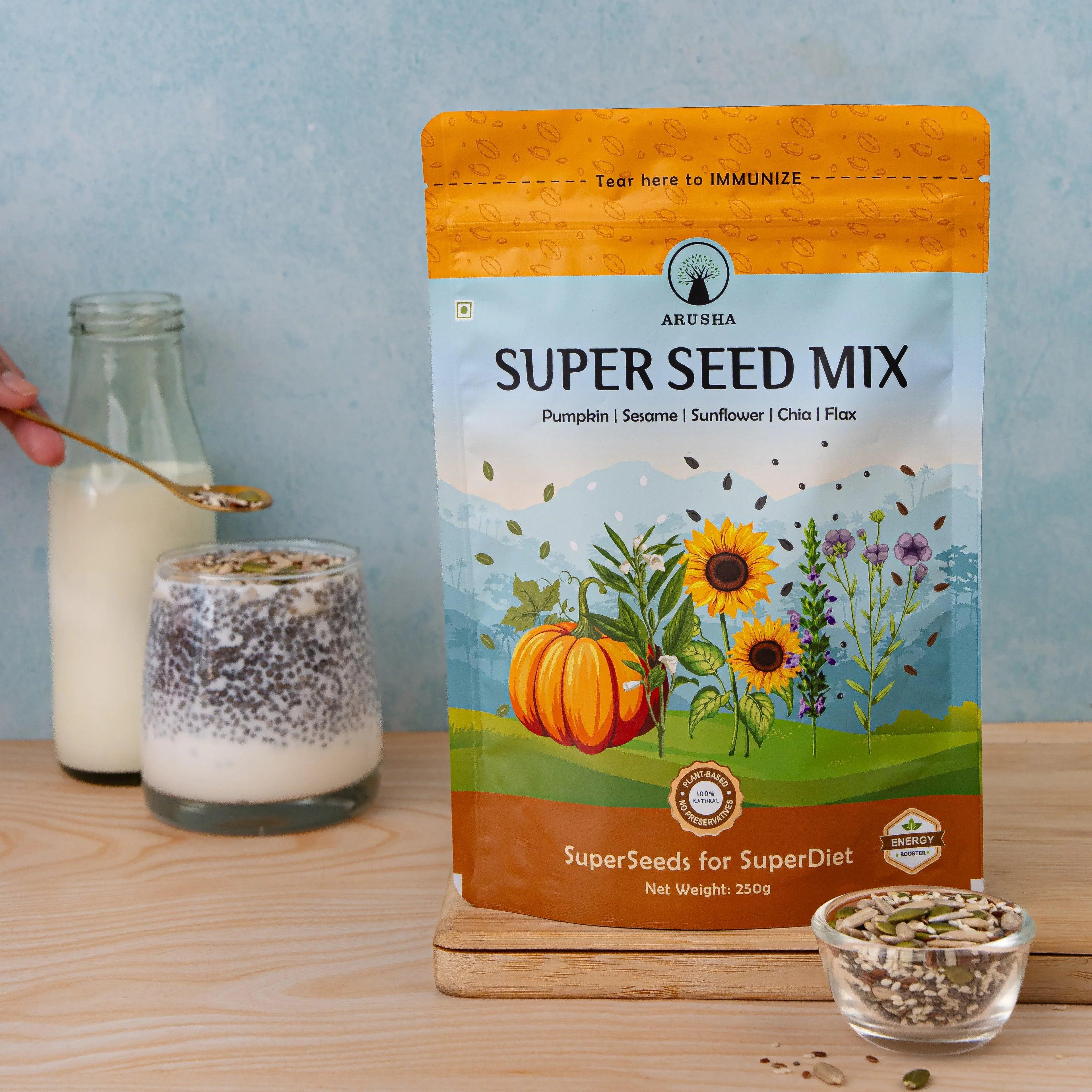
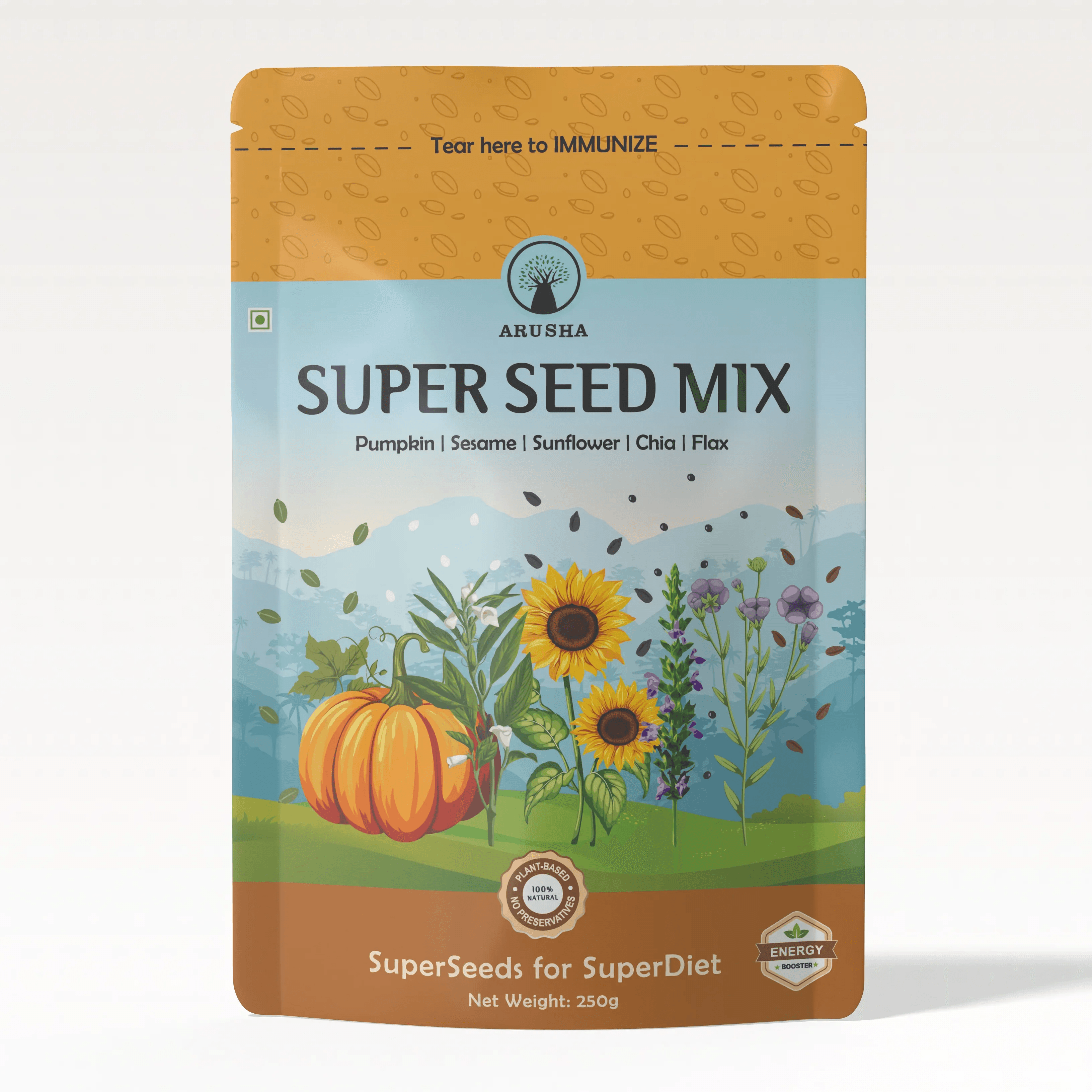
3. Super Seed Mix
A mix of seeds like flax, chia, sunflower, or pumpkin contains plant-based omega-3 fatty acids and both soluble and insoluble fibre. These nutrients increase microbial diversity, a key marker of strong gut health.
- Packed with dietary fiber, which helps regulate bowel movements and prevent constipation.
- Omega-3 fatty acids reduce gut inflammation and promote a healthier digestive environment.
- Supports better metabolism, helping your body break down food more efficiently.
- Provides natural prebiotics, which feed the good bacteria in your gut.
Buy 100% organic 5 super seed mix—click below to shop now!

4. Wheatgrass Powder
Wheatgrass is known for its chlorophyll content and detoxifying properties. It helps reduce toxins that may irritate the gut and supports the health of the gut lining.
- Detoxifies the digestive tract, flushing out toxins and supporting a cleaner gut.
- Improves nutrient absorption due to its enzyme-rich composition.
- Helps with acidity and bloating by balancing pH levels in the stomach.
- Supports overall digestion, thanks to its fiber and antioxidant content.
Want to try it? Buy organic wheatgrass powder—click below to shop now!

Lifestyle Habits Supporting Gut Health:
- Have good sleep regularly. This helps you increase your microbiome diversity.
- Avoid overuse of antibiotics unless a doctor has prescribed them. This prevents the disruption of beneficial bacteria.
- Eat slowly and mindfully. This helps your body to reduce bloating and aids digestion.
- Stay physically active. This enhances your gut health by promoting a healthier gut microbiome.
Foods and Habits to Avoid:
- Excess sugar and processed foods
- Deep-fried and greasy foods
- Alcohol in excess
- Artificial sweeteners
- Too much caffeine
All these food items can harm beneficial bacteria and affect gut barrier integrity.
Conclusion:
Improving your gut health naturally is possible, but you must accept a holistic life that includes diet, stress management, and exercises. In this blog, we have discussed that high fibre foods, fermented foods, and prebiotics feed the good bacteria.
Alongside, you must reduce harmful substances to prevent the dysbiosis process. You can also use natural supplements such as baobab, moringa, and wheatgrass from brands such as Arusha Foods.
This can further support your gut functioning. Additionally, you should adopt simple lifestyle habits such as good sleep, stress control, and regular exercise. These are powerful tools to improve your gut health and boost overall well-being.